
Full Coverage Car Insurance — Arizona
Free to compare
What Arizona Requires Versus What Full Coverage Adds
Arizona law requires $25,000 bodily injury per person, $50,000 bodily injury per accident, and $15,000 property damage liability on every registered vehicle. That minimum liability protects others when you cause a crash. It does not pay to repair or replace your own car. Full coverage adds collision and comprehensive to the state-required liability, covering damage to your vehicle from crashes, theft, weather, and vandalism.
The question facing households with two or more vehicles is whether every car on the policy needs full coverage or whether some can carry liability only. The answer depends on each vehicle's current value, your household's asset exposure, and how you would replace a totaled car out of pocket. A blanket decision across all vehicles wastes premium on cars worth less than the collision deductible or leaves expensive vehicles unprotected.
“One in ten Arizona drivers carries no insurance; without collision coverage, an uninsured driver's total-loss crash leaves you paying replacement cost out of pocket.”

Compare Arizona Car Insurance Quotes Today
Get My Arizona Car Insurance Quote$25,000/$50,000/$15,000
Arizona Minimum Liability
Arizona Revised Code 28-4009 sets these limits as the floor for legal operation. Drivers who carry only the minimum have no coverage for damage to their own vehicle and face out-of-pocket replacement costs after any at-fault crash.
Arizona Revised Code 28-4009
How Collision and Comprehensive Work on a Multi-Vehicle Policy
Collision pays to repair or replace your vehicle after a crash with another car or object, minus your chosen deductible. Comprehensive pays for theft, fire, hail, flood, vandalism, and animal strikes, also minus the deductible. Both coverages are optional under Arizona law. When you add them to the state-required liability, the industry calls that package full coverage.
On a policy covering multiple vehicles, you choose collision and comprehensive separately for each car. One vehicle can carry full coverage while another carries liability only. The premium reflects each vehicle's value, age, and claims history. Carriers price collision and comprehensive per vehicle, not as a household bundle, so the decision is vehicle-specific.
The deductible you select applies per claim, per vehicle. A household with three cars on one policy and a $500 collision deductible pays $500 out of pocket for each separate collision claim, regardless of how many vehicles are on the policy. Choosing a higher deductible lowers the premium but increases the amount you pay before coverage applies.
When a vehicle is financed or leased, the lender requires collision and comprehensive as a condition of the loan. Once the loan is paid off, the requirement disappears and the decision becomes yours. Many households drop full coverage on older paid-off vehicles and keep it on newer or financed cars, structuring the policy to match each vehicle's replacement risk.
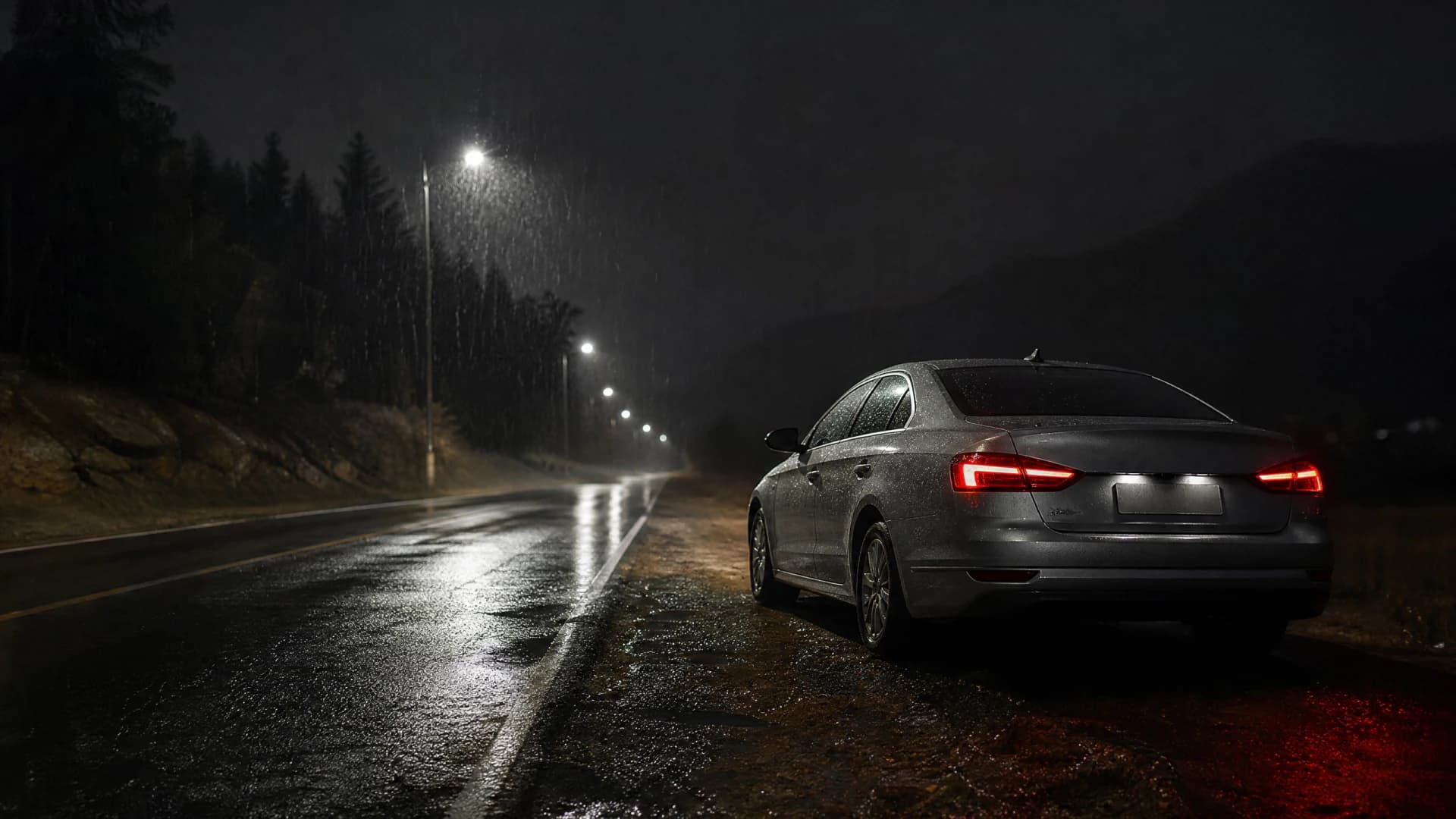
Arizona's at-fault system means the other driver's liability pays your repair costs only when they caused the crash and carry adequate limits. Without collision coverage, you pay out of pocket when the at-fault driver is uninsured or underinsured.







How Arizona's Fault System Shifts Risk Without Collision Coverage
Arizona operates under a traditional fault system. The driver who caused the crash is liable for damages, and their liability insurance pays the other party's repair costs and medical bills. When you carry only minimum liability and another driver hits your car, their liability coverage should pay your repair costs. The problem arises when the at-fault driver is uninsured, underinsured, or disputes fault.
Arizona's uninsured motorist rate sits at 10.6 percent as of 2023. One in ten drivers on the road carries no insurance. When an uninsured driver totals your car, their liability coverage does not exist. Without collision coverage on your own policy, you pay the full replacement cost out of pocket. Uninsured motorist property damage coverage is optional in Arizona and does not substitute for collision: it pays only when the at-fault driver is identified and confirmed uninsured, and many carriers cap it below full vehicle value.
Disputed fault creates a second gap. Arizona law allows comparative negligence, meaning fault can be split between drivers. If the other driver's insurer assigns you partial fault, their liability payment is reduced by your percentage of responsibility.
Collision coverage eliminates the fault dispute and uninsured-driver risk. Your insurer pays your claim regardless of who caused the crash or whether the other driver carries insurance, then subrogate against the at-fault party to recover the payout. You pay only the deductible. The trade-off is the annual premium: you are paying in advance for certainty that your vehicle will be repaired without waiting on another insurer's liability decision.
10.6%
Arizona Uninsured Motorist Rate
As of 2023, more than one in ten Arizona drivers operate without insurance. When an uninsured driver causes a crash, their liability coverage does not exist, and the other party's collision coverage becomes the only path to vehicle repair without out-of-pocket payment.
Insurance Information Institute, 2023

Structuring Coverage Across Multiple Vehicles
Households insuring two or more vehicles can mix coverage levels on the same policy. The newest or most valuable car carries full coverage, while older paid-off vehicles with lower market value carry liability only. This structure keeps premium manageable while protecting the household's largest vehicle investments.
Review each vehicle's current market value annually. A car that justified full coverage two years ago may have depreciated below the threshold where the premium and deductible exceed the coverage's return. When that happens, drop collision and comprehensive on that vehicle and reallocate the premium savings toward higher liability limits or coverage on a newer vehicle. The policy adjusts mid-term; you do not wait for renewal to make the change.
Compare Carriers That Write Arizona Multi-Vehicle Policies
Collision and comprehensive premiums vary significantly across carriers writing Arizona multi-vehicle policies. The same vehicle with identical coverage selections can produce premium differences of 30 percent or more between carriers. Comparing quotes from multiple insurers surfaces which carrier prices your specific household's vehicles most competitively. Carriers writing Arizona multi-vehicle policies include State Farm, GEICO, Progressive, Allstate, Farmers, Nationwide, USAA, Travelers, American Family, Liberty Mutual, Mercury General, and National General, among others. Request quotes that reflect your actual vehicle values, chosen deductibles, and liability limits to see the true cost difference between minimum liability and full coverage for each car on your policy.
When Full Coverage Makes Sense for Each Vehicle
If the vehicle's current market value exceeds three times the annual collision and comprehensive premium plus the deductible, full coverage typically makes financial sense. The threshold is a rule of thumb, not a mandate, but it surfaces when you are paying more in premium and deductible than the coverage would return in a total-loss claim.
Households with significant assets face another consideration. Arizona allows judgment creditors to pursue personal assets when an at-fault driver's liability limits fall short of the damages owed. If your household owns a home, investment accounts, or other attachable assets, carrying higher liability limits and full coverage on your own vehicles reduces the risk of a lawsuit reaching those assets after a serious crash. The state minimum liability protects others up to $25,000 per person and $50,000 per accident; crashes that exceed those limits expose your assets directly.
Get Your Free Quote
Get My Arizona Car Insurance QuoteFrequently Asked Questions
Does Arizona require full coverage car insurance?
No. Arizona requires $25,000/$50,000/$15,000 liability coverage on every registered vehicle. Collision and comprehensive are optional unless your lender requires them as a loan condition. Full coverage is a term for liability plus collision and comprehensive together, not a legal mandate.
When should I drop full coverage on an older car in Arizona?
Drop collision and comprehensive when the vehicle's current market value falls below three times the annual premium plus your deductible. At that point, you pay more in coverage costs than the policy would return in a total-loss claim. The decision is vehicle-specific; other cars on your policy can keep full coverage.
Can I carry full coverage on one vehicle and liability only on another on the same Arizona policy?
Yes. Arizona multi-vehicle policies let you choose collision and comprehensive separately for each car. One vehicle can carry full coverage while another carries liability only. Carriers price each vehicle individually based on its value, age, and claims history.
What happens if an uninsured driver totals my car in Arizona and I only have liability coverage?
You pay the full replacement cost out of pocket. Arizona's 10.6 percent uninsured motorist rate means one in ten drivers carries no insurance. Without collision coverage, an uninsured at-fault driver's lack of liability insurance leaves you with no claim path except small claims court, which rarely recovers full vehicle value.
Does uninsured motorist property damage coverage replace collision coverage in Arizona?
No. Uninsured motorist property damage is optional in Arizona and pays only when the at-fault driver is identified and confirmed uninsured. Many carriers cap it below full vehicle value and require a deductible. Collision coverage pays regardless of fault, uninsured status, or whether the other driver is identified.
How does Arizona's fault system affect my decision to carry collision coverage?
Arizona's at-fault system means the driver who caused the crash is liable for damages. If the at-fault driver is uninsured, underinsured, or disputes fault, you wait on their insurer's liability decision or pay out of pocket. Collision coverage eliminates that wait: your insurer pays your claim immediately, minus the deductible, then pursues the at-fault driver for reimbursement.