
When to Drop Full Coverage Car Insurance — Arizona
Free to compare
The Multi-Car Coverage Question
You own three vehicles. Two are daily drivers with loans; the third is a 2009 sedan you bought outright for your teenager or keep as a backup. You know Arizona requires liability coverage, but you're not sure whether dropping collision and comprehensive on the older car breaks any rule or costs you the multi-car discount.
The structural reality: Arizona law requires liability coverage on every registered vehicle — $25,000 per person for bodily injury, $50,000 per accident, and $15,000 for property damage — but does not mandate collision or comprehensive on any vehicle, regardless of how many cars sit on your policy. Full coverage is a lender requirement, not a state requirement. Once a vehicle is paid off, the decision to keep or drop collision and comprehensive is yours, and it does not affect whether the other vehicles on the same policy qualify for the multi-car discount.
“Dropping collision and comprehensive on one vehicle does not remove it from the policy or cancel the multi-car discount — the car stays on with liability coverage.”
Compare Arizona Car Insurance Quotes Today
Get My Arizona Car Insurance Quote$25,000/$50,000/$15,000
Arizona Liability Minimums
Arizona requires $25,000 per person for bodily injury, $50,000 per accident, and $15,000 for property damage on every registered vehicle. Collision and comprehensive are optional once a vehicle is paid off.
Arizona Department of Transportation, Motor Vehicle Division
What Full Coverage Actually Covers Across Multiple Vehicles
Full coverage is not a legal term. It is shorthand for a policy that includes liability, collision, and comprehensive. Liability pays the other driver's costs when you cause an accident. Collision pays to repair your own vehicle after a crash, regardless of fault. Comprehensive pays for damage from theft, weather, vandalism, or animal strikes. When you carry full coverage on every vehicle in a multi-car policy, you are paying collision and comprehensive premiums on each car separately.
The multi-car discount applies to the policy as a whole, not to individual coverages. Dropping collision and comprehensive on one vehicle does not remove that vehicle from the policy or cancel the discount. The car remains on the policy with liability coverage, and the discount continues across all vehicles. The savings come from eliminating the collision and comprehensive premiums on the vehicle you no longer need to insure for physical damage.
Most carriers writing multi-car policies in Arizona — including Geico, Progressive, State Farm, Allstate, Farmers, and USAA — allow different coverage levels on different vehicles within the same policy. You can carry full coverage on two financed cars and liability-only on a third paid-off car without splitting the policy or losing the multi-car discount.
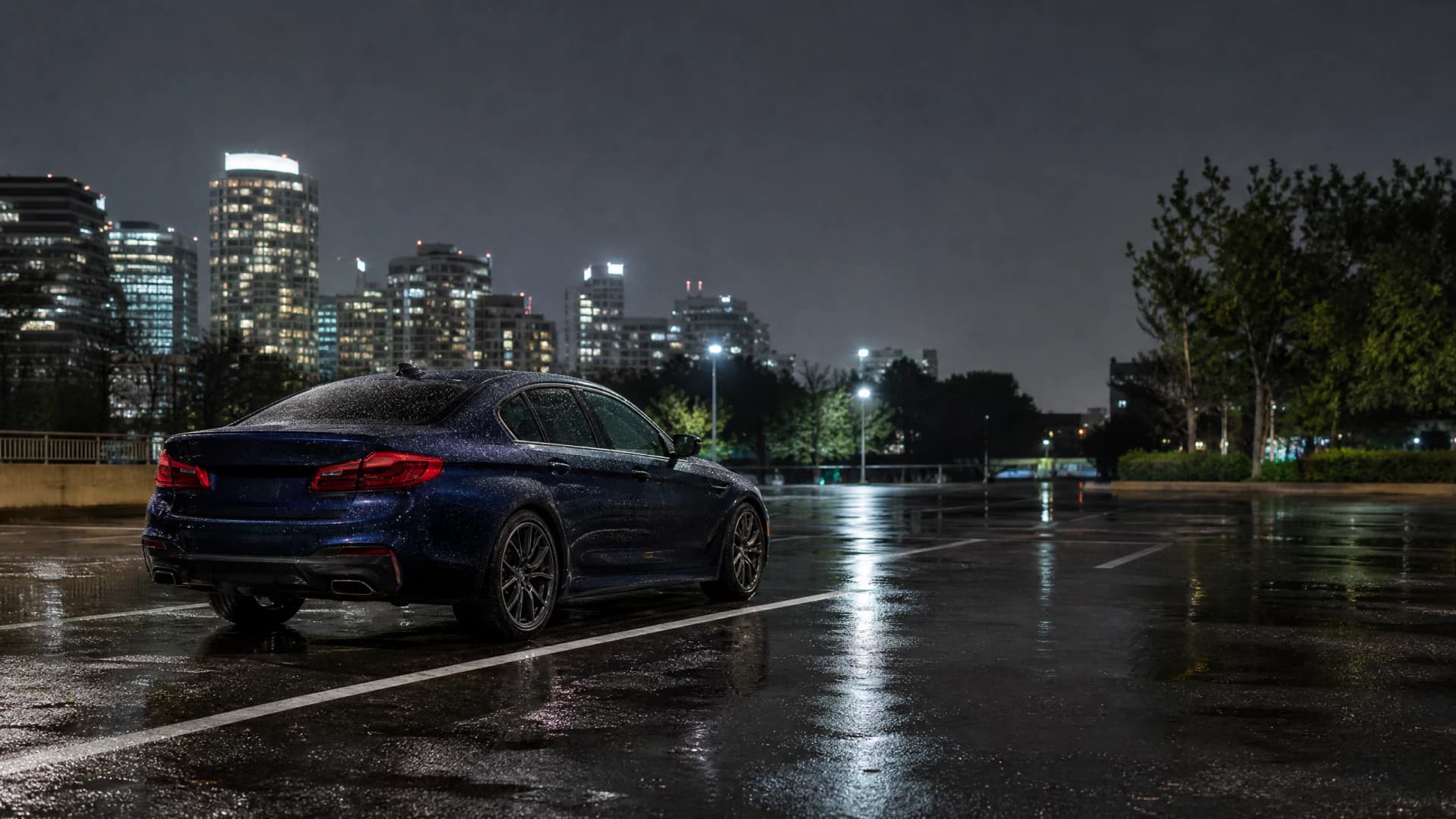
Dropping collision and comprehensive on one vehicle does not remove it from the multi-car policy or cancel the discount — the car stays on the policy with liability coverage.






How Arizona's Liability Requirements Apply to Every Vehicle
Arizona law requires proof of financial responsibility on every registered vehicle. The most common way to meet this requirement is a liability insurance policy that covers at least $25,000 per person for bodily injury, $50,000 per accident, and $15,000 for property damage. This applies to every car on your policy, regardless of whether you carry collision and comprehensive. Dropping full coverage on one vehicle means dropping only the physical-damage coverages; liability coverage must remain in place.
If you drop a vehicle to liability-only and later decide you want collision and comprehensive back, you can add them at any time by contacting your carrier. The policy will re-rate to reflect the added coverages, and the premium will increase accordingly. Most carriers allow mid-term changes without penalty, though some may apply a small administrative fee. The multi-car discount remains in effect throughout.
10.6%
Arizona Uninsured Motorist Rate
10.6 percent of Arizona motorists drive without insurance. Uninsured motorist coverage protects you when an at-fault driver has no liability policy, and it applies regardless of whether you carry collision and comprehensive on your own vehicle.
Insurance Research Council, 2023

What Happens to the Multi-Car Discount
The multi-car discount is calculated at the policy level, not the vehicle level. It applies because you insure multiple vehicles on the same policy, and it typically reduces the liability premium on each car. Dropping collision and comprehensive on one vehicle does not change the fact that multiple vehicles sit on the policy, so the discount continues. The vehicle remains listed on the policy with liability coverage, and the carrier continues to count it toward the multi-car discount calculation.
If you remove a vehicle from the policy entirely — for example, if you sell it or transfer the title to someone outside your household — the policy will re-rate to reflect the reduced vehicle count. Depending on how many cars remain, the multi-car discount may shrink or disappear. But dropping collision and comprehensive while keeping the vehicle on the policy with liability coverage does not trigger this re-rating. The vehicle count stays the same, and the discount remains intact.
Comparing Carriers for Multi-Car Policies with Mixed Coverage Levels
Not all carriers price multi-car policies the same way, and the savings from dropping full coverage on one vehicle can vary significantly by carrier. Some carriers apply the multi-car discount more heavily to liability premiums, making liability-only vehicles cheaper on those policies. Others apply the discount more evenly across all coverages, so the savings from dropping collision and comprehensive may be smaller. When you are deciding whether to drop full coverage on one or more vehicles, compare quotes from multiple carriers that write multi-car policies in Arizona to see which structure delivers the lowest combined premium for your household's specific mix of coverage levels. Geico, Progressive, State Farm, Allstate, Farmers, USAA, and Nationwide all write multi-car policies in Arizona and allow different coverage levels on different vehicles within the same policy.
When Dropping Full Coverage Makes Sense
A common rule of thumb: if the vehicle's actual cash value is less than ten times the annual collision and comprehensive premium, the coverage costs more than it is worth. After three years of premiums, you will have paid more than the car is worth. If the car is totaled, the payout is capped at actual cash value minus the deductible, often leaving you with less than you paid in premiums.
Vehicles driven infrequently — a third car used only for errands, a backup vehicle, or a car your teenager drives occasionally — carry lower collision risk simply because they spend less time on the road. If the vehicle sits in the garage most of the week, you are paying for coverage that protects against events that are statistically less likely to occur. Liability coverage remains required because the car is registered and can be driven, but collision and comprehensive become optional once the loan is paid off.
Get Your Free Quote
Get My Arizona Car Insurance QuoteFrequently Asked Questions
Can I drop full coverage on one car in a multi-car policy without losing the discount?
Yes. The multi-car discount applies because you insure multiple vehicles on the same policy, not because every vehicle carries the same coverage level. Dropping collision and comprehensive on one vehicle while keeping it on the policy with liability coverage does not cancel the discount.
Does Arizona require full coverage on every vehicle I own?
No. Arizona requires liability coverage of at least $25,000/$50,000/$15,000 on every registered vehicle. Collision and comprehensive are optional once a vehicle is paid off. Full coverage is a lender requirement, not a state requirement.
What happens if I drop collision and comprehensive and then total the car?
You receive no payout for damage to your own vehicle. Liability coverage pays the other driver's costs if you cause the accident, but without collision coverage, you absorb the cost of replacing or repairing your own car.
Can I add collision and comprehensive back later if I drop them now?
Yes. You can add collision and comprehensive at any time by contacting your carrier. The policy will re-rate to reflect the added coverages, and your premium will increase accordingly. Most carriers allow mid-term changes without penalty.
How do I know if dropping full coverage on one vehicle will save money?
Compare the annual collision and comprehensive premium to the vehicle's actual cash value. If the premium is more than 10 percent of the car's value, the coverage may cost more than it is worth. Request quotes from multiple carriers to see how each prices a multi-car policy with mixed coverage levels.