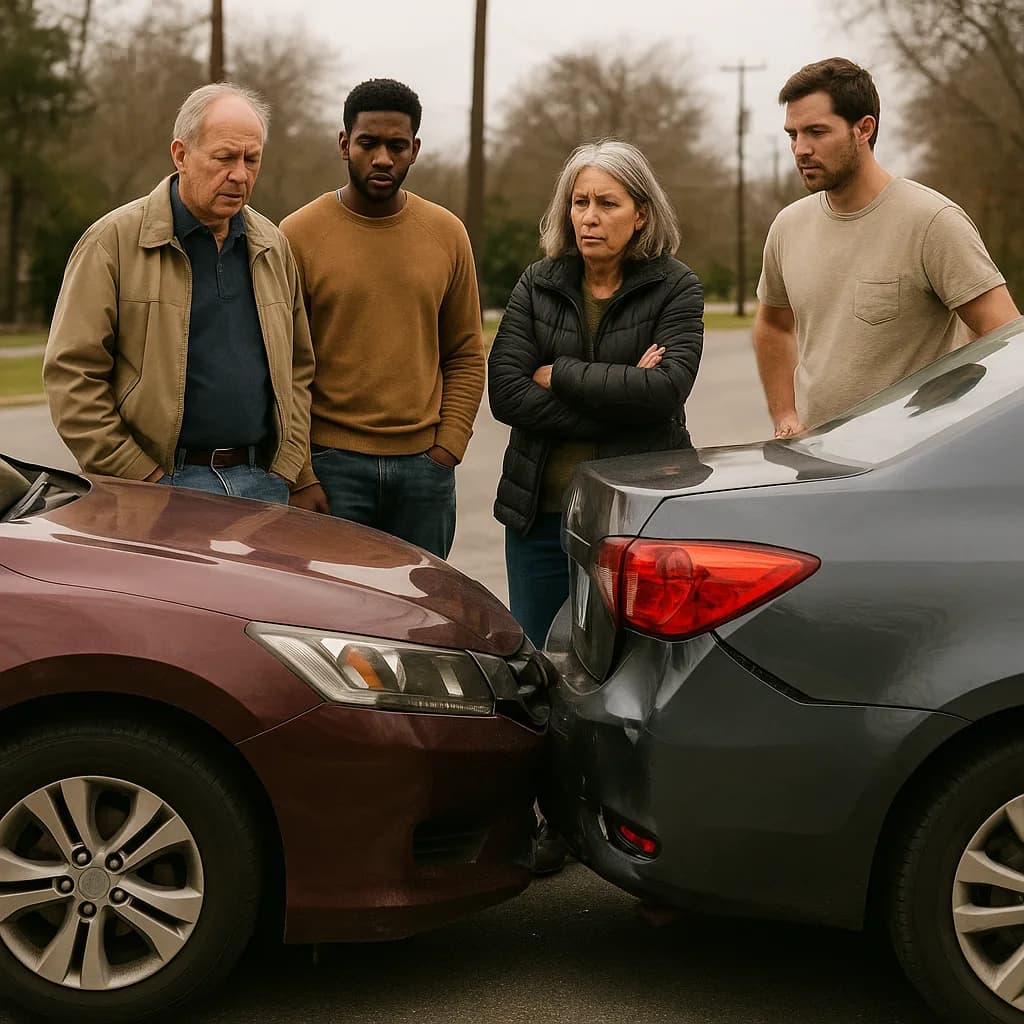
The Multi-Car Collision Decision
You own two or more vehicles on one Arizona policy. Your carrier quoted collision on both, and you cannot tell whether you need it on every car, just the newer one, or neither. The premium difference is significant—collision on the older car costs nearly as much as on the newer one—but you worry that dropping it creates a gap.
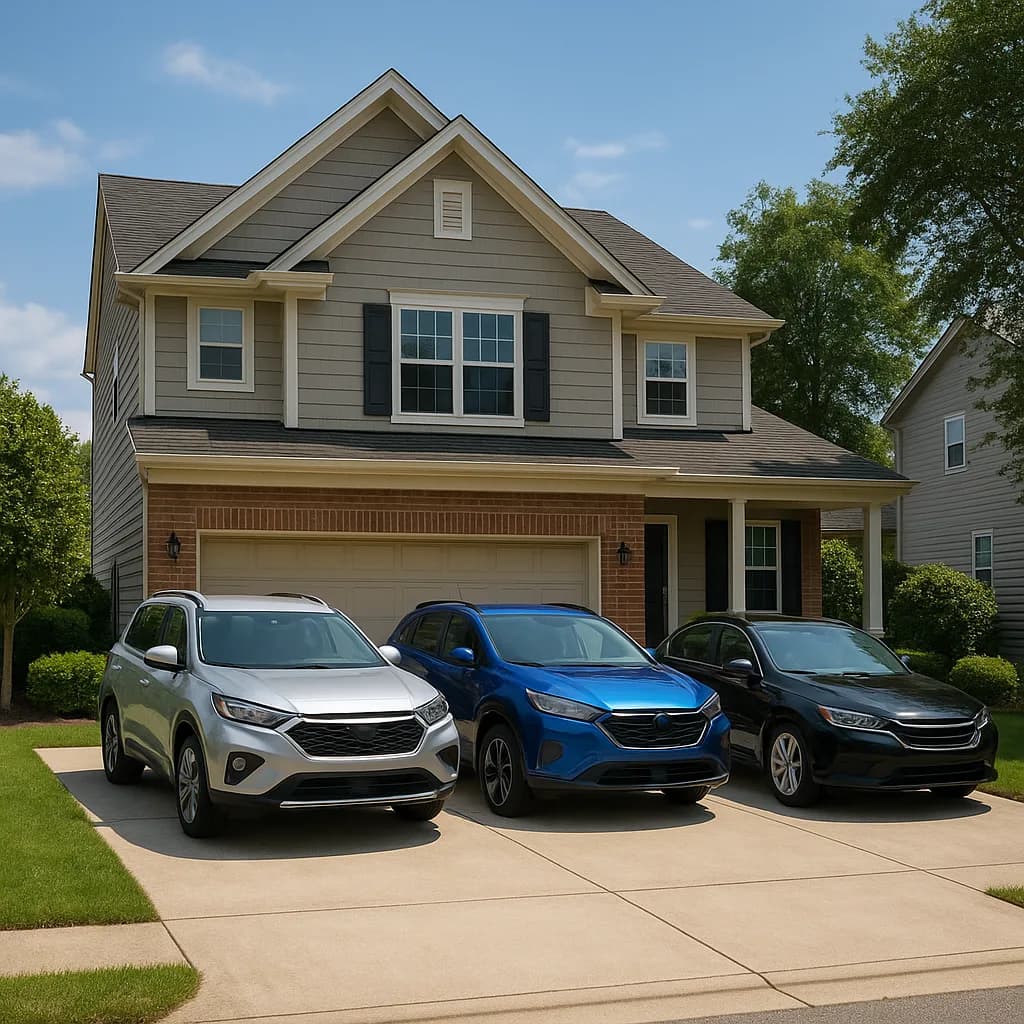
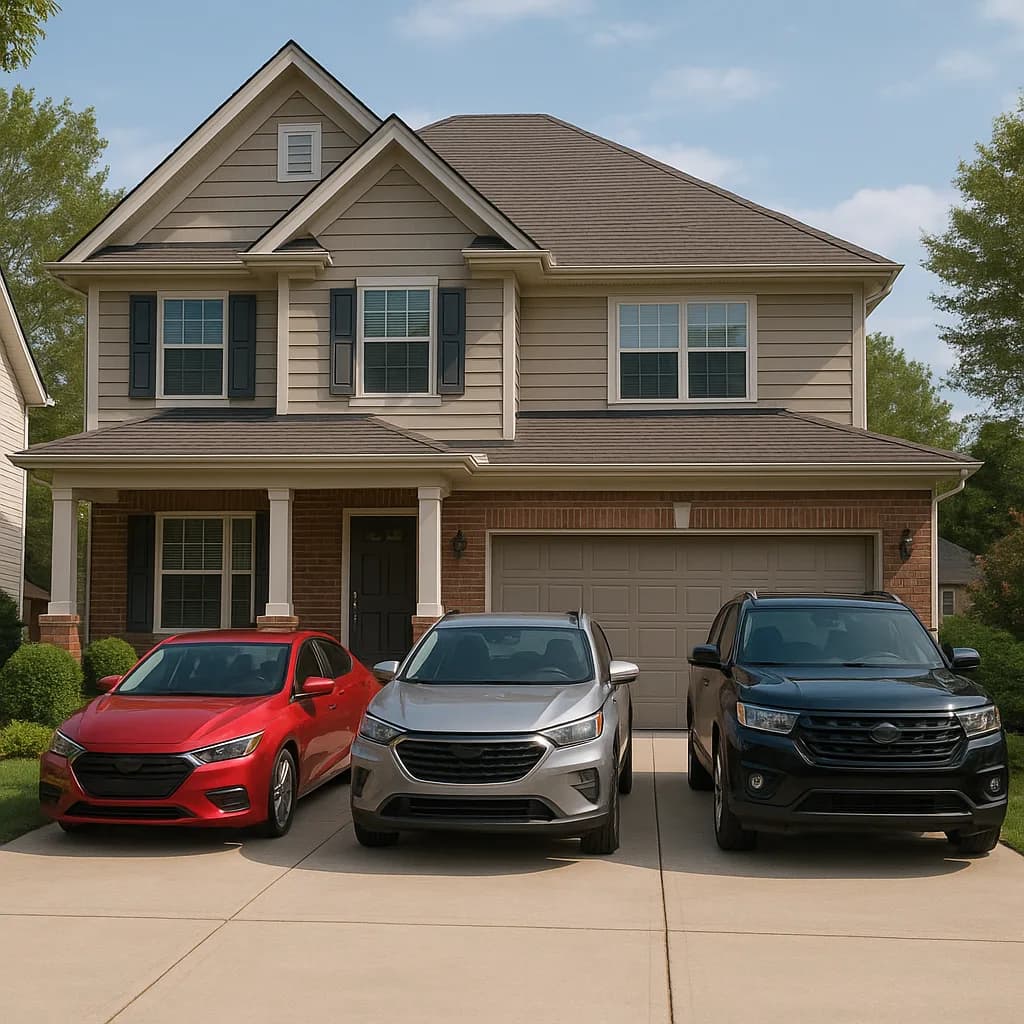
The structural reality: collision coverage insures the vehicle, not the driver. Each car on your policy carries its own collision election. You can structure it differently across vehicles based on each car's value, your ability to replace it out of pocket, and whether a lender requires it. The decision is per-vehicle, and the right answer for one car is often wrong for another on the same policy.
Compare car insurance rates in your state
Get quotes from licensed carriers — no obligation, no spam, results in minutes.
Get Your Free QuoteArizona Minimum Liability Limits
$25,000 / $50,000 / $15,000
Arizona requires $25,000 bodily injury per person, $50,000 per accident, and $15,000 property damage. These minimums cover damage you cause to others—collision covers damage to your own vehicle, and the state does not mandate it.
Arizona Revised Statutes Title 28
What Collision Covers on a Multi-Vehicle Policy
Collision pays to repair or replace your vehicle after a crash with another car, object, or rollover, regardless of fault. The coverage applies per vehicle. If you elect collision on Car A but not Car B, and Car B is totaled in a single-vehicle accident, you receive nothing for Car B. The policy does not pool collision across vehicles.
Each vehicle carries its own deductible election—typically $500 or $1,000. When you file a collision claim, you pay the deductible for that specific car. If two vehicles on your policy are damaged in the same incident, you pay two deductibles. Collision does not cover mechanical failure, wear, or theft—comprehensive handles theft and non-collision damage.
Lenders require collision (and comprehensive) on financed or leased vehicles. Once the loan is paid off, the requirement drops. Many Arizona households keep collision on the paid-off car out of habit, even when the vehicle's value no longer justifies the annual premium.
The blocker: collision premiums do not scale proportionally to vehicle value.
Structuring Collision Across Your Vehicles
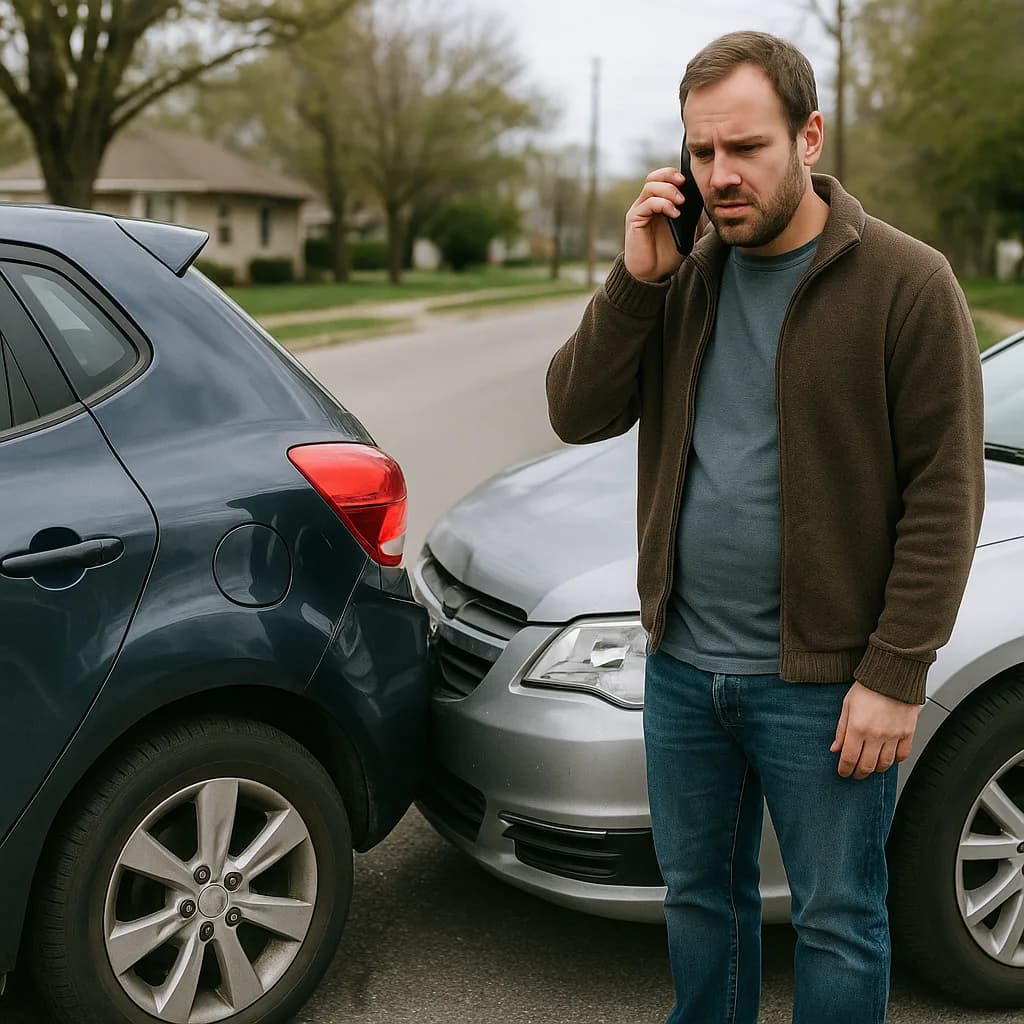
Start with vehicle value. Obtain the actual cash value for each car—use your carrier's valuation tool, Kelley Blue Book, or NADA Guides. Subtract your deductible from that figure. If the net payout is less than two years of collision premium for that vehicle, the math favors dropping collision.
Next, evaluate replaceability. Can your household replace the vehicle out of pocket if it is totaled? If losing any one vehicle creates a financial emergency, keep collision on all of them. The multi-car discount already lowers your base premium—adding collision to one more vehicle costs less than adding it to a single-car policy.
Related Articles




Arizona-Specific Collision Considerations
Arizona does not require collision or comprehensive coverage. The $25,000 / $50,000 / $15,000 liability minimums cover damage you cause to others, not damage to your own vehicles. Collision is optional unless a lender mandates it. If you own all your vehicles outright, the decision is entirely yours.
Arizona is a fault state. The at-fault driver's liability coverage pays for the other party's vehicle damage. If another driver hits your car and is found at fault, their property damage liability covers your repair—you do not file a collision claim. You use your own collision coverage when you are at fault, when the other driver is uninsured, or when fault is disputed and you want your car repaired immediately. Your carrier pays the claim, then subrogate against the at-fault party.
Uninsured motorist property damage (UMPD) is not required in Arizona, and many policies do not include it. If an uninsured driver totals your car, your collision coverage is the only way to recover the vehicle's value from your own policy. Households that drop collision to save money often assume UMPD will cover an uninsured-driver loss—it will not unless you specifically added it, and even then it carries a lower limit than collision.
Arizona Uninsured Motorist Rate
10.6%
10.6% of Arizona drivers carry no insurance. Collision covers your vehicle when an uninsured driver causes the loss and you have no other recovery path. Without collision, you absorb the loss unless you can collect directly from the at-fault driver.
Insurance Research Council, 2023
Common Multi-Car Collision Mistakes
The most common mistake: carrying collision on the lowest-value vehicle while dropping it on a higher-value one. This happens when a household adds a new car mid-term, and the agent quotes collision on the existing older car by default. The policyholder assumes the older car needs it because it has always had it, and drops collision on the newer car to control cost.
Another failure mode: assuming the multi-car discount applies separately to collision. It does not. The multi-car discount reduces your base liability premium when you insure multiple vehicles on one policy. Collision is priced per vehicle based on that vehicle's value, your deductible, and your driving history. Adding collision to a second or third car costs nearly the same as adding it to the first. The discount does not make collision cheap on low-value cars—it makes the entire policy cheaper, and collision is still priced by vehicle.
Structuring Collision When Vehicles Have Different Owners
Arizona allows multiple vehicles titled to different household members on one policy, but collision elections remain per-vehicle. If your spouse's car is titled in their name and your car is titled in yours, both can sit on the same policy with different collision structures. One vehicle can carry collision and the other can drop it. The titled owner does not control the coverage election—the policyholder does.
This matters when a household combines policies after marriage or when an adult child's car joins the family policy. The newer or higher-value vehicle should carry collision regardless of who owns the title. The older or lower-value vehicle is the candidate for dropping it. Structuring collision by title ownership rather than by vehicle value is a costly mistake, and it happens frequently when policies merge mid-term.
What to Do Right Now
Pull your current Arizona policy declarations page. Write down the actual cash value of each vehicle, the annual collision premium for that vehicle, and the deductible. Subtract the deductible from the value—that is your maximum collision payout. Divide the net payout by the annual collision premium. If the result is less than three years for any vehicle, that car is a candidate for dropping collision. Compare the total annual collision cost across all vehicles to your household's ability to replace the lowest-value car out of pocket. If you can cover that loss with savings, drop collision on that vehicle and keep it on the others. If you cannot, keep collision on every car and raise deductibles to $1,000 to lower the premium. Contact your carrier or use the Arizona car insurance requirements tool to compare how collision structures affect your total premium across the vehicles you insure.