
Full Coverage Car Insurance Cost — Arizona
Free to compare
What Full Coverage Actually Means in Arizona
You own a vehicle in Arizona and you're deciding whether to carry minimum coverage or full coverage. The term full coverage appears everywhere, but it is not a product you buy. It is shorthand for a policy that combines Arizona's required liability minimums with optional collision and comprehensive coverage that pays for damage to your own vehicle.
Arizona requires $25,000 bodily injury per person, $50,000 bodily injury per accident, and $15,000 property damage. That liability-only policy protects others when you cause an accident. Full coverage adds two physical-damage coverages: collision pays when your car hits another vehicle or object, and comprehensive pays for theft, vandalism, weather damage, and animal strikes. The cost difference between minimum and full coverage is the price of those two add-ons, and it varies widely based on your vehicle's value and the deductibles you choose.
“Full coverage is not a product—it is liability plus collision and comprehensive, and the cost depends entirely on your vehicle's value and your deductibles.”

Compare Arizona Car Insurance Quotes Today
Get My Arizona Car Insurance Quote$25,000 / $50,000 / $15,000
Arizona Liability Minimums
Arizona law requires bodily injury coverage of at least $25,000 per person and $50,000 per accident, plus $15,000 property damage. These minimums protect others; they do not cover damage to your own vehicle.
Arizona Revised Statutes § 28-4009
How Collision and Comprehensive Change Your Premium
Collision and comprehensive premiums are tied directly to your vehicle's actual cash value. A newer car with a higher replacement cost generates a higher premium than an older vehicle worth less.
Deductibles control how much of each claim you pay out of pocket before the carrier pays the rest. Common deductible choices are $500 or $1,000. A $500 deductible produces a higher premium than a $1,000 deductible because the carrier's exposure on each claim is larger. Choosing a higher deductible lowers your premium but increases what you pay when you file a claim.
The decision to add collision and comprehensive depends on whether the annual premium justifies the coverage. A conventional rule of thumb: if your vehicle is worth less than ten times the annual cost of collision and comprehensive combined, the coverage may cost more than the protection it provides.
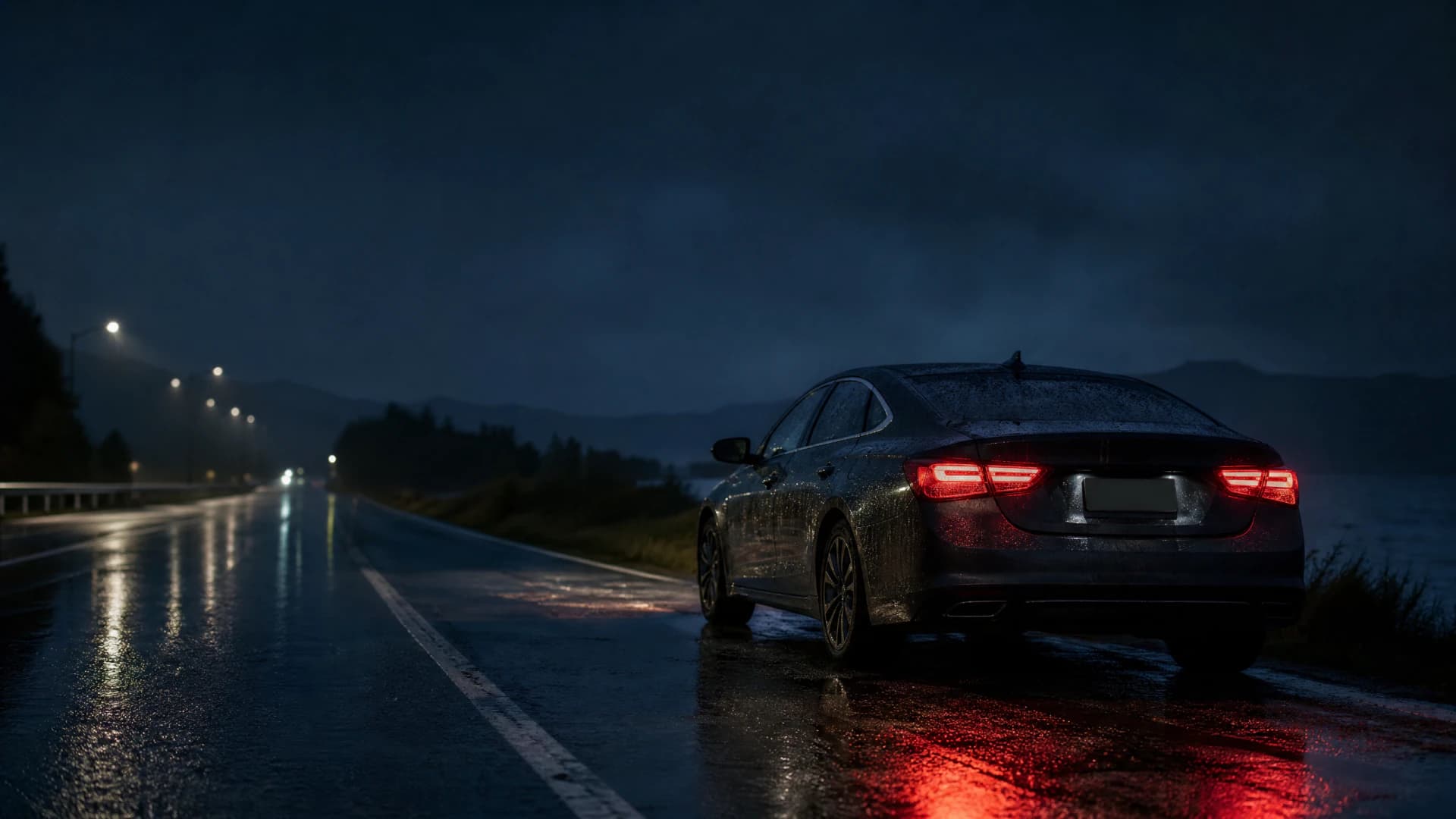
Full coverage is not comprehensive protection. It excludes mechanical breakdown, routine maintenance, and wear-and-tear damage. Physical-damage coverage pays only for sudden, accidental loss.
Related Articles





When Full Coverage Makes Sense for Arizona Drivers
Lenders require collision and comprehensive on financed and leased vehicles. The loan or lease contract names the lender as a loss payee, and the lender mandates physical-damage coverage to protect its interest in the vehicle. You cannot drop collision or comprehensive until the loan is paid off or the lease ends.
For vehicles you own outright, the decision is yours. Full coverage makes sense when the vehicle's value justifies the annual premium and when losing the vehicle would create a financial hardship you cannot absorb.
Arizona's uninsured motorist rate is 10.6 percent. Collision coverage pays for damage another driver causes even when that driver has no insurance or flees the scene, as long as you file a police report. Uninsured motorist property damage is an alternative, but it requires identifying the at-fault driver. Collision applies regardless of whether the other driver is found.
10.6%
Arizona Uninsured Motorist Rate
More than one in ten Arizona drivers carries no insurance. Collision coverage protects your vehicle when an uninsured driver causes an accident, even if that driver cannot be identified or flees the scene.
Insurance Research Council, 2023

How Deductible Choices Shape Your Annual Cost
Carriers offer collision and comprehensive deductibles separately. You can choose a $500 deductible for collision and a $1,000 deductible for comprehensive, or any other combination. Most drivers choose the same deductible for both to simplify claims, but splitting them is allowed.
A higher deductible lowers your premium but increases your out-of-pocket cost at claim time. If the damage is less than your deductible, filing a claim produces no payout and may still count against your claims history. Many drivers with older vehicles choose high deductibles or drop physical-damage coverage entirely to avoid paying premiums that approach the vehicle's value.
Comparing Full Coverage Across Arizona Carriers
Arizona is served by 57 carriers writing personal auto insurance, including national carriers like Geico, Progressive, State Farm, and Allstate, and regional and non-standard carriers like Dairyland, Bristol West, and Mercury General. Physical-damage premiums vary widely by carrier because each uses its own loss models, repair cost estimates, and risk scoring.
Request quotes from at least three carriers and compare the total annual premium for identical coverage limits and deductibles. A carrier with a lower liability premium may charge more for collision, or vice versa. The lowest total premium for your specific vehicle, garaging address, and driving history is the number that matters. Arizona does not regulate physical-damage rates the way it regulates liability minimums, so shopping produces the largest savings on full coverage policies.
What Collision and Comprehensive Actually Cover
Collision coverage pays when your vehicle hits another car, a stationary object like a guardrail or pole, or rolls over. It applies regardless of fault. If you back into a post in a parking lot or slide into a ditch on ice, collision pays for the damage to your car minus your deductible. It does not pay for damage to the other vehicle or object—that is what property damage liability covers.
Comprehensive coverage pays for damage from events other than collisions: theft, vandalism, hail, flood, fire, falling objects, and animal strikes. If your windshield cracks from a rock, your car is stolen, or a monsoon floods the interior, comprehensive pays the repair or replacement cost minus your deductible. Arizona's monsoon season and wildlife on rural roads make comprehensive particularly relevant for drivers outside metro areas.
Get Your Free Quote
Get My Arizona Car Insurance QuoteFrequently Asked Questions
What is the difference between full coverage and liability-only insurance in Arizona?
Liability-only insurance meets Arizona's minimum requirements: $25,000 bodily injury per person, $50,000 per accident, and $15,000 property damage. Full coverage adds collision and comprehensive, which pay for damage to your own vehicle from accidents, theft, weather, and other covered events. Liability protects others; collision and comprehensive protect your car.
Do I need full coverage if I own my car outright in Arizona?
No. Arizona does not require collision or comprehensive coverage. If you own your vehicle outright, you decide whether to carry physical-damage coverage based on your vehicle's value and your ability to replace it. Lenders require full coverage on financed and leased vehicles, but once the loan is paid off, the choice is yours.
How much does full coverage car insurance cost in Arizona?
The cost of full coverage in Arizona depends on your vehicle's value, the deductibles you choose, your driving history, your age, and your garaging address. Physical-damage premiums vary widely by carrier. Compare quotes from multiple carriers for identical coverage limits and deductibles to find the lowest total annual premium for your situation.
What does comprehensive coverage pay for in Arizona?
Comprehensive coverage pays for damage to your vehicle from events other than collisions: theft, vandalism, hail, flood, fire, falling objects, and animal strikes. It does not cover collision damage, mechanical breakdown, or wear and tear. You pay your chosen deductible, and the carrier pays the rest up to your vehicle's actual cash value.
Can I drop collision and comprehensive coverage in Arizona?
Yes, if you own your vehicle outright. Lenders require collision and comprehensive on financed and leased vehicles, and you cannot drop them until the loan is paid off or the lease ends. Once you own the car, you can drop physical-damage coverage at any time by contacting your carrier.
Does full coverage in Arizona cover rental cars?
Not automatically. Full coverage on your personal vehicle does not include rental reimbursement. Rental reimbursement is a separate optional coverage that pays for a rental car while your vehicle is being repaired after a covered claim. If you want rental coverage, add it to your policy as a standalone endorsement.