
Auto Insurance Rates — Arizona
Free to compare
Arizona Multi-Car Policy Structure
You own two or more vehicles in Arizona and you're trying to figure out whether combining them on one policy saves money, or whether separate policies make sense for your household. The answer depends on how Arizona's multi-car discount works, what the state actually requires you to carry, and how carriers structure their multi-vehicle pricing.
Arizona requires $25,000 per person and $50,000 per accident in bodily injury liability, plus $15,000 in property damage liability. That's the legal floor for one vehicle or five. The multi-car discount applies when every vehicle sits on the same policy, but the discount percentage and the base rate both vary by carrier. A smaller discount on a lower base rate can beat a larger discount on a higher one.
“A smaller discount on a lower base rate can beat a larger discount on a higher one.”

Compare Arizona Car Insurance Quotes Today
Get My Arizona Car Insurance Quote$25,000/$50,000/$15,000
Arizona Liability Minimums
Arizona Revised Code requires $25,000 bodily injury per person, $50,000 per accident, and $15,000 property damage. These limits apply to every vehicle you own, whether you insure them on one policy or separately.
Arizona Revised Code, Motor Vehicle Division
The Multi-Car Discount Requires One Policy
The multi-car discount is not automatic. It applies only when every vehicle you want to count toward the discount sits on the same policy, issued to the same policyholder, and typically garaged at the same address. If you own three cars but two are on your policy and one is titled to a household member on a separate policy, the third car does not count toward your multi-car discount.
This structural rule trips up households after a marriage, when adult children move back in with a car, or when a household member buys a vehicle mid-term and titles it in their own name. The discount requires same-policy enrollment. If the vehicle is titled to someone outside your policy, most carriers will not count it.
Arizona does not mandate uninsured motorist coverage or personal injury protection, so the only required coverages are the three liability limits above. That simplicity makes it easier to compare carriers on multi-car pricing, because you're comparing the same base product across the roster.
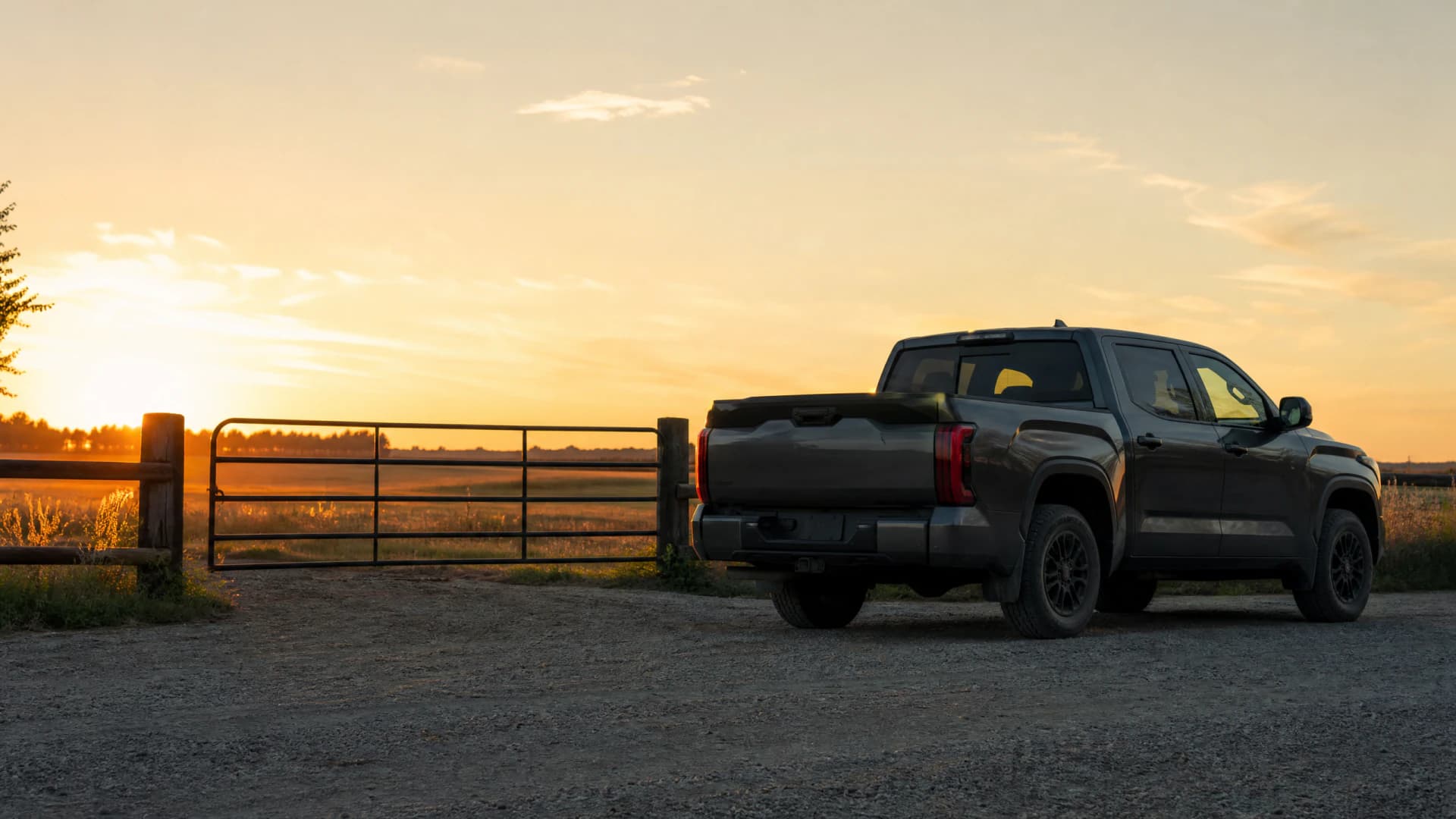
The multi-car discount vanishes if even one vehicle moves to a separate policy. Same-policy enrollment is the structural requirement carriers enforce.







Comparing Carriers for Multi-Vehicle Households in Arizona
Arizona has over 30 carriers writing auto insurance, and their multi-car pricing structures vary widely. Liability insurance is the only required coverage, but most multi-car households add collision and comprehensive on financed or leased vehicles, and those optional coverages change the rate spread between carriers.
Carriers that specialize in non-standard or high-risk drivers often write competitive multi-car policies for households with mixed driving records. If one household member has a DUI, a suspended license, or multiple violations, a non-standard carrier may price the combined household policy lower than a standard carrier would. Acceptance, Bristol West, Dairyland, GAINSCO, Infinity, Kemper, National General, and The General all write non-standard multi-car policies in Arizona.
Standard-tier carriers like State Farm, Geico, Progressive, Allstate, and Farmers dominate the Arizona market and all offer multi-car discounts, but their base rates and discount structures differ. State Farm and Allstate typically require an agent; Geico and Progressive quote online. If you're comparing four or five carriers, request quotes for the exact same coverage limits and deductibles on every vehicle so you're comparing structure to structure.
Preferred-tier carriers like USAA, Amica, and Auto-Owners write multi-car policies for households with clean records and strong credit. USAA restricts eligibility to military members and their families. Amica and Auto-Owners often price lower than standard carriers for multi-vehicle households with no violations, but both require higher credit scores and cleaner driving histories to qualify.
30+
Carriers Writing Arizona Auto
Arizona's competitive carrier market includes standard, non-standard, and preferred-tier options. Multi-car households benefit from comparing at least three carriers with different pricing structures.

When Separate Policies Make Sense
Most multi-car households save by combining every vehicle on one policy, but there are structural exceptions. If one household member has a significantly worse driving record than the others, isolating that driver and their vehicle on a separate non-standard policy can lower the combined household premium. The cleaner drivers stay on a standard-tier policy with a lower base rate; the high-risk driver moves to a non-standard carrier.
This structure only works when the high-risk driver owns their vehicle outright and can title it in their own name. If the vehicle is financed or leased, the lender typically requires the owner to carry the policy, and that forces the vehicle onto the owner's policy regardless of who drives it. If you're considering this structure, model the combined cost of two separate policies against one combined policy before committing.
Compare Carriers That Write Your Household
Arizona's low minimum liability limits and competitive carrier market make it easier to compare multi-car policies than in states with higher mandated coverages. Start by confirming every vehicle you want to count toward the multi-car discount can sit on the same policy. If any vehicle is titled to someone outside your household, or if a household member maintains a separate policy in another state, that vehicle will not count.
Request quotes from at least three carriers: one standard-tier, one non-standard if anyone in the household has violations, and one preferred-tier if your household qualifies. Compare the same coverage limits and deductibles across all three. The multi-car discount is already embedded in the quoted premium, so the lowest total premium wins. Use the state's carrier roster above to identify which carriers write the coverage types and household structures you need, then request quotes directly.
How Adding a Vehicle Re-Rates the Policy
The re-rating recalculates your premium based on the combined risk profile of every vehicle and every driver now listed. That means the premium for your first car can change when you add the second, because the carrier is now pricing a multi-vehicle household. The multi-car discount applies to the new combined premium, but the base premium itself shifts.
Most carriers apply the multi-car discount as a percentage reduction on the total premium after re-rating. A few apply it per vehicle. Either way, the discount does not appear as a separate line item you can track. It's baked into the quoted premium. If you want to see the discount's effect, request quotes with and without the second vehicle from the same carrier.
Get Your Free Quote
Get My Arizona Car Insurance QuoteFrequently Asked Questions
Does Arizona require the same liability limits for every vehicle on a multi-car policy?
Yes. Arizona requires $25,000 per person, $50,000 per accident in bodily injury liability, and $15,000 in property damage liability for every vehicle you own, whether you insure them on one policy or separately. The multi-car discount does not change the minimum required coverage.
Can I get the multi-car discount if one vehicle is titled to my spouse on a separate policy?
No. The multi-car discount requires every vehicle to sit on the same policy. If your spouse maintains a separate policy for their vehicle, that vehicle does not count toward your multi-car discount, even if you live at the same address.
How does adding a third vehicle change my premium in Arizona?
Adding a third vehicle re-rates your entire policy based on the combined risk profile of all three vehicles and all listed drivers. The multi-car discount applies to the new combined premium, but the base premium for your first two vehicles can also change when the carrier recalculates.
Which Arizona carriers write the best multi-car policies for households with one high-risk driver?
Non-standard carriers like Acceptance, Bristol West, Dairyland, GAINSCO, Infinity, Kemper, and The General specialize in multi-car policies for households with mixed driving records. If one household member has a DUI or multiple violations, these carriers often price lower than standard-tier carriers for the combined household.
Does Arizona require uninsured motorist coverage on a multi-car policy?
No. Arizona does not mandate uninsured motorist coverage or personal injury protection. The only required coverages are the three liability limits: $25,000/$50,000/$15,000. You can add uninsured motorist coverage as an optional layer on a multi-car policy.
Can I insure four vehicles on one Arizona policy if they are garaged at two different addresses?
Most carriers require every vehicle on a multi-car policy to be garaged at the same address. If two vehicles are garaged at a second address, the carrier may require you to list that address as a garaging location or move those vehicles to a separate policy. Check with the carrier before adding vehicles garaged elsewhere.